31.08.2026
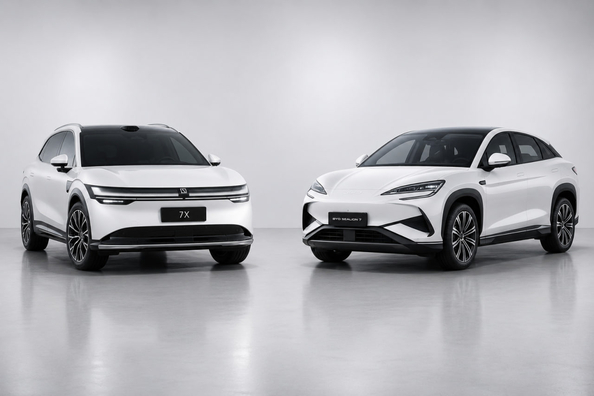
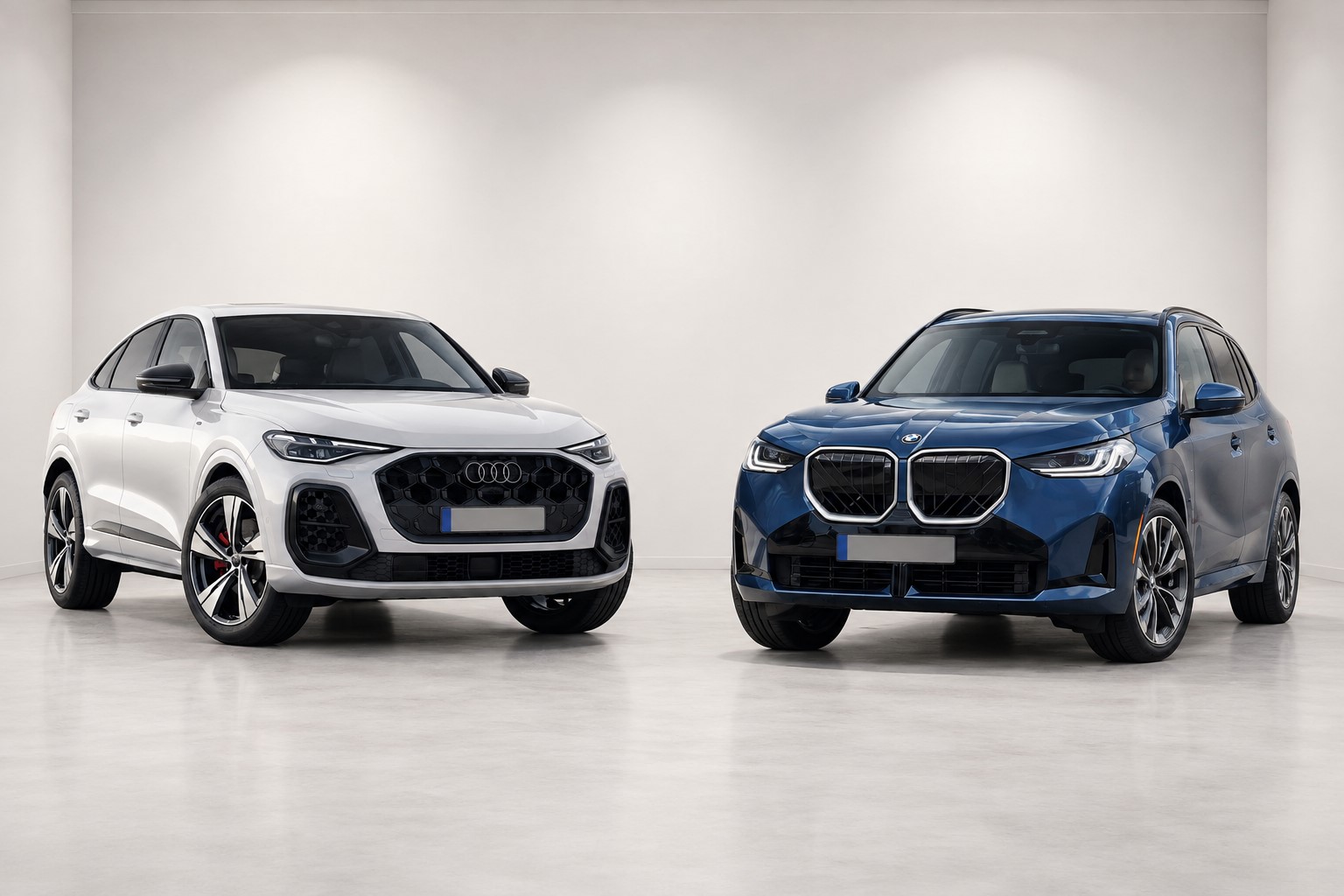
If you filter out the screens, acceleration numbers, and the novelty effect, the choice between Zeekr 7X and BYD Sealion 7 comes down to something simple: Zeekr is more about highway driving, fast charging, long trips, and expensive versions with a real performance reserve; BYD is about a rational family electric crossover with a strong equipment baseline and a clearer day-to-day logic.
Both models are large, five-seat vehicles with a high level of passive safety. But in real-life use, the difference is made not by the brochure “horses”, but by the charging architecture, suspension behavior on our roads, noise on different asphalt, battery type, how the electronic assistants work, and how well the car fits your route, winter, and luggage.
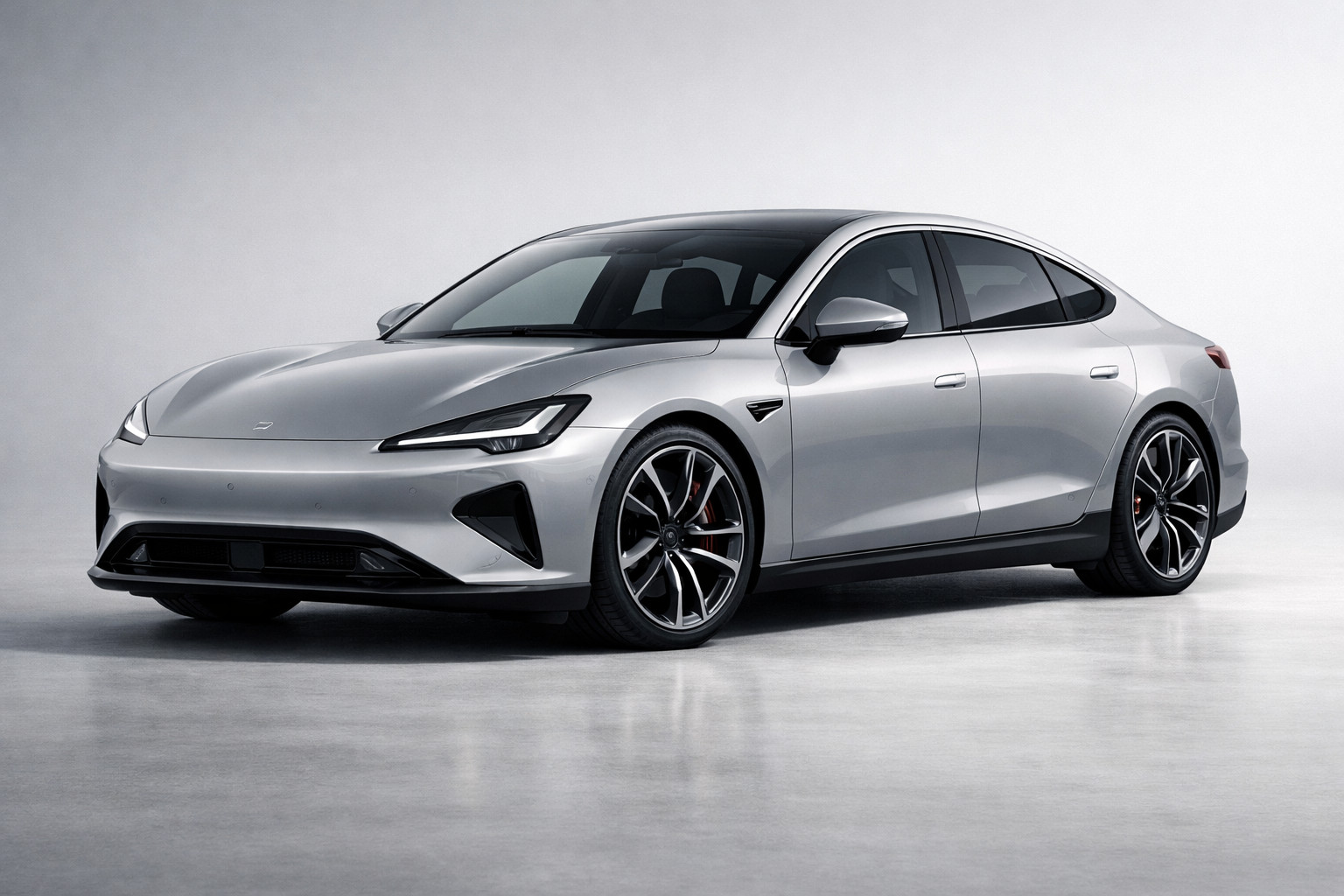
Zeekr 7X feels like the more premium approach. It has an 800 V architecture, very fast charging, versions with a 100 kWh battery, better rated range for long-distance scenarios, and up to 2000 kg towing. In the higher all-wheel-drive version, you also get air suspension and a bad-roads mode, meaning it’s no longer just a city electric crossover.
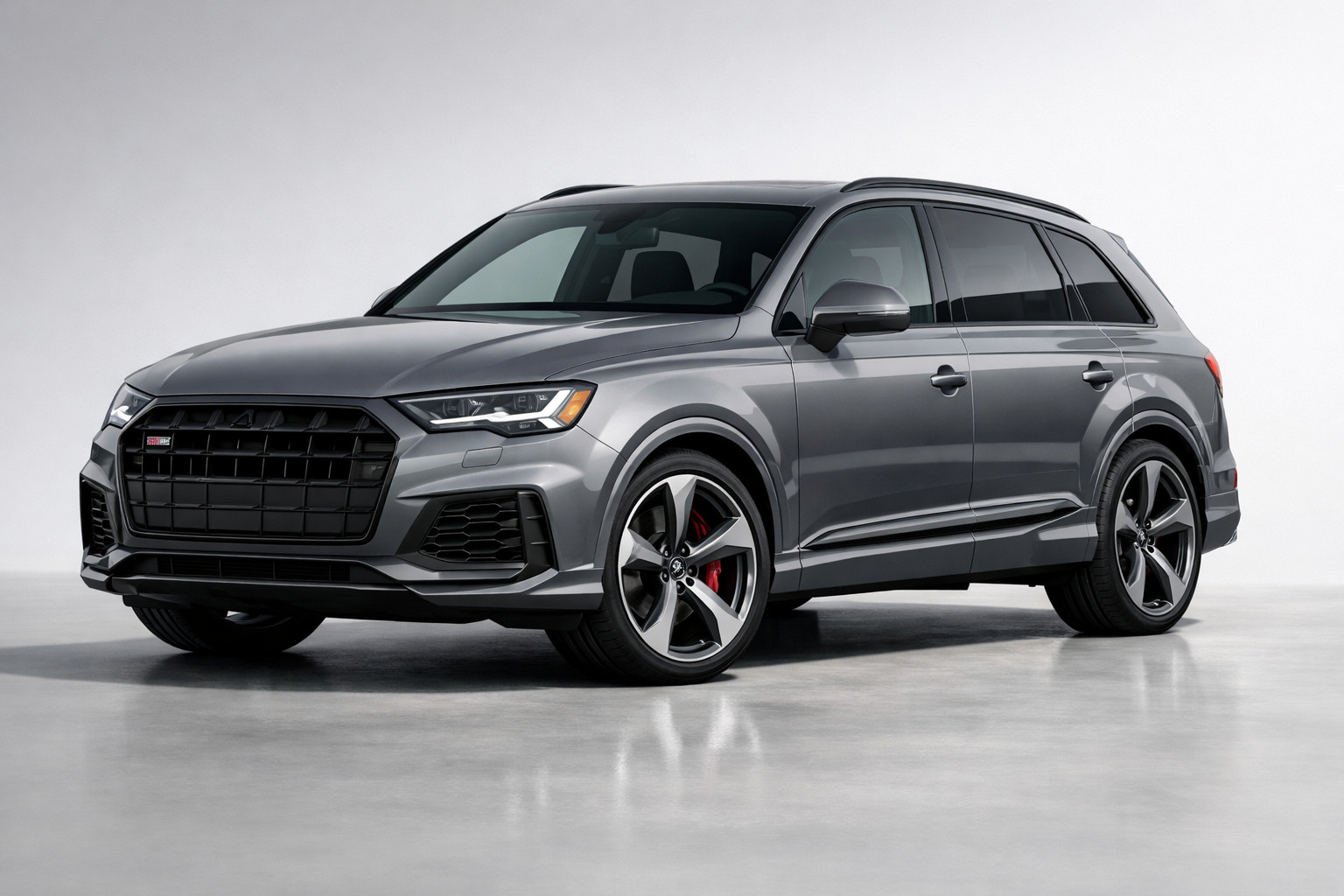
BYD Sealion 7 is strong where most people actually live day to day: an LFP Blade battery, a heat pump as standard, rich equipment, a proper trunk, power supply for external devices, and a calmer “get in and use it” logic. It’s less impressive in charging numbers, but it often looks like a healthier compromise without overpaying for capabilities not everyone needs.
So this isn’t a choice between a “better” and a “worse” car. It’s a choice between a more expensive, technically ambitious route and a more pragmatic family package. In favor of both is also the fact that both crossovers have five stars in European crash tests.
| Option | Strengths | Weaknesses | Who it suits |
|---|---|---|---|
| Zeekr 7X | 800 V architecture, very fast charging, up to 615 km range in the long-range version, up to 2000 kg towing, air suspension in the higher version | More expensive by positioning logic, on rough asphalt and big bumps comfort isn’t always exemplary, some reviews mention concerns about steering tuning and one-pedal mode | Those who often drive on highways, carry a lot of gear, plan trips, towing, or want a bigger reserve of technical capability |
| BYD Sealion 7 | LFP Blade, heat pump, strong standard equipment, practical cabin, good family format, logical daily use | Slower fast charging, firmer ride on small bumps, more complaints about driver assistance and minor software things | Those looking for a family electric crossover for everyday use, want maximum equipment for their money, and aren’t chasing record charging speed |
The main reason to look at Zeekr isn’t acceleration, but long-trip pace. The 800 V architecture, 22 kW AC charging, and very fast DC charging make it noticeably more convenient on the highway. If you drive far and often, Zeekr can save not minutes but your whole usage style: shorter stops, less dependence on a specific station, less stress in winter and at high mileage.
On batteries, it has a sensible split of roles: the base version with LFP is for a calmer daily scenario, while the 100 kWh versions with NMC are for range. But the higher versions only make sense if you actually use their potential. If most trips are city and suburbs, the extra cost of a bigger battery may not pay back.
In terms of comfort, Zeekr generally feels more mature, especially in the expensive configuration. At the same time, it’s not worth romanticizing: on big bumps and rough asphalt it doesn’t always swallow everything without a trace, and the 21-inch wheels in the top version definitely don’t help on Ukrainian roads. So Zeekr can be quiet and comfortable, but a lot depends on the surface and the exact configuration.
Practicality is also on its side: the trunk is slightly larger, there’s a frunk, towing up to 2000 kg, and in the higher all-wheel-drive version there’s air suspension with ground clearance lift. If you need an electric crossover not only for the city but also for travel, a trailer, skis, mountain winters, or bad roads, that’s a strong argument.
BYD wins not with spectacle, but with a balanced package. It has the LFP Blade battery, a heat pump as standard, strong standard equipment, a spacious cabin, and decent practicality. For a family, that’s often more important than how many seconds the car gains in a charging session at an ideal station.
Its weak spot versus Zeekr is fast charging. If you often hit the highway, the difference between 13–16 minutes and 24–32 minutes starts to be felt very quickly. In the city or with home charging it’s not as critical, but for regular long routes Zeekr looks more convincing.
Ride-wise, BYD can be a bit two-sided. On smooth roads it can come across as a quiet car, but on small bumps and road waves it’s more often described as firmer and less settled. A separate nuance is driver assistance and software logic: with BYD this is more often mentioned as an irritation factor than with Zeekr.
Still, for a buyer who doesn’t need towing, air suspension, and maximum charging performance, the Sealion 7 often looks like the more straightforward choice. It doesn’t try to be “almost premium”, but it covers a family’s daily needs well without unnecessary technical exoticism.
For highways and frequent long trips Zeekr 7X is the more logical choice, especially the long-range rear-wheel-drive or the higher all-wheel-drive version. What matters here is not only range, but also charging speed: stops are shorter and the route is easier to plan.
For the city, family, and a calm daily rhythm BYD Sealion 7 often makes more sense. It has a strong base trim, an LFP battery, a heat pump, and fewer reasons to overpay for capabilities you won’t use every day.
For winter, bad roads, and towing the advantage shifts back to Zeekr, especially in the higher all-wheel-drive version. Air suspension, more ground-clearance potential, and 2000 kg towing aren’t minor details.
For those focused on longevity and charging habits BYD is more attractive thanks to LFP in all versions. But that doesn’t mean Zeekr should be dismissed: if you need a large battery and truly drive far, its NMC versions have a clear logic of their own.
| Scenario | What to choose | Why |
|---|---|---|
| Frequent highway driving and fast charging on the road | Zeekr 7X | 800 V architecture and significantly shorter charging sessions provide a tangible advantage in trip pace |
| Family electric crossover for everyday use | BYD Sealion 7 | Strong equipment, LFP battery, heat pump, and a rational ownership logic |
| Bad roads, winter, rural routes | Zeekr 7X in the higher all-wheel-drive version | Air suspension, bad-road mode, higher ground-clearance potential |
| Maximum battery longevity in a calm driving pattern | BYD Sealion 7 | LFP chemistry fits better with frequent charging to a high level |
| Trailer, heavy loads, active travel | Zeekr 7X | Up to 2000 kg towing and better suitability for long routes |
| Buying by “price-to-equipment feel” | BYD Sealion 7 | Less temptation to overpay for technical potential that isn’t used daily |
Paying extra for Zeekr 7X makes sense when you truly live in its strong scenarios: highways, frequent long routes, winter, trailers, bad roads, a high travel pace. This is especially true for the long-range rear-wheel-drive and the higher all-wheel-drive versions: here the more expensive car buys not “status”, but shorter charging pauses, more range, and better suitability for tough conditions.
If Zeekr is chosen specifically as a pricier, more functional option, it’s worth looking at practical details right away. There’s a dedicated page for model-specific solutions Zeekr 7X, for trips with luggage it’s useful to plan a trunk mat in advance, and if you’re leaning toward BYD, it’s more convenient to start with the BYD catalog.
With BYD, the more expensive version doesn’t always make sense. If you won’t feel the benefit of all-wheel drive or faster charging in the higher modification, the base or mid versions may be financially smarter. The rule is simple: paying more is justified only where the pricier version actually reduces daily compromises, not just adds nice numbers.
Zeekr 7X is the better choice for those who want more technical headroom: faster charging, stronger highway suitability, better towing, and a pricier but meaningful higher version. BYD Sealion 7 is stronger as a rational family electric crossover: LFP, heat pump, generous equipment, and clearer day-to-day logic without mandatory overpayment.
Remember three things: compare specific trims, don’t ignore wheels and noise, and look not at a single range number but at the entire usage scenario. That’s when the choice between these two models becomes simple.
| ✔ | Zeekr 7X’s fast charging gives it a real advantage on long trips: 10–80% takes about 13–16 minutes versus 24–32 minutes in the BYD Sealion 7. This shortens road stops and makes route planning easier. |
| ✔ | The Zeekr 7X has stronger road-going and towing capabilities: 800 V architecture, 100 kWh battery versions, up to 2000 kg towing capacity, and air suspension in the higher trim. This makes it more suitable for highway driving, a trailer, and tougher conditions. |
| ✔ | The BYD Sealion 7 looks more practical for everyday use: an LFP Blade battery, a heat pump as standard, and strong base equipment. For city and family use, this reduces the need to pay extra for features that are not always needed. |
| ✔ | Both models have five stars in European crash tests, so in the basic matter of passive safety they look convincing. This removes part of the doubts when choosing between them. |
| ✔ | The Zeekr 7X has better travel and rough-road potential thanks to the front trunk, greater practicality, and modes for difficult conditions in the higher trim. This adds versatility not only on paper, but also in real-world scenarios. |
| ✘ | The BYD Sealion 7 noticeably falls behind in fast-charging speed, and for frequent highway trips this can be a tangible drawback. On long routes, the difference in stop times becomes practical rather than theoretical. |
| ✘ | In the Zeekr 7X, comfort depends on the version and wheels, and the 21-inch rims in the top trims do not help on Ukrainian roads. On rough asphalt and large bumps, it does not always absorb the surface without a trace. |
| ✘ | In the BYD Sealion 7, on small bumps and undulating surfaces, a stiffer and less composed ride is more often noted. For those who drive on less-than-perfect roads, this can get annoying quickly. |
| ✘ | The BYD Sealion 7 has complaints about driver assistance systems and minor software issues that can be irritating every day. This reduces the feeling of simple and trouble-free use. |
Shipping to EU
Wholesale and retail
Own warehouse
Опис продукту
Подарунки не надаються при оформленні покупки у кредит під 0,01% або при покупці частинами.