29.09.2026
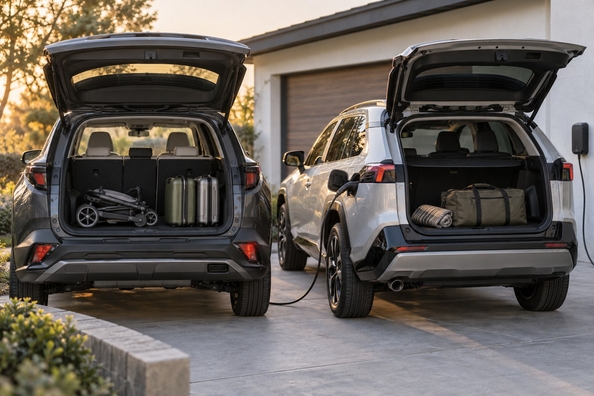

The new fifth-generation Hyundai Tucson (NX5) and the sixth-generation Toyota RAV4 are the two main hybrid family crossovers for 2026–2027. According to official European data, the Tucson is slightly shorter (4,560 vs 4,600–4,646 mm) but has a larger trunk (up to 695 L vs 514 L in the hybrid RAV4) and a petrol version without a hybrid, while the RAV4 is stronger as a plug-in: up to 309 hp and up to 137 km on electricity versus 292 hp and up to 81 km in the Tucson. The RAV4 is already on sale in Ukraine; the new Tucson is expected in Europe in 2027.
Contents
We wrote about each model in detail separately: review of the new Hyundai Tucson NX5 and review of the Toyota RAV4 2026 sixth generation. Here, it is only a comparison.
For the Tucson, we use official Hyundai Motor Europe data from 1 October 2026 (before final homologation); for the RAV4, Toyota Europe and Toyota Ukraine data.
| Parameter | Hyundai Tucson NX5 (Europe) | Toyota RAV4 (6th generation) |
|---|---|---|
| Premiere | 01.10.2026 | 21.05.2025 |
| Length / width / height | 4 560 / 1 900 / 1 670 mm | 4 600–4 646 / 1 855–1 880 / 1 680–1 700 mm |
| Wheelbase | 2 720 mm | — (Toyota Europe does not publish) |
| Ground clearance | 159–169 mm | — (not published) |
| Number of seats | 5 | 5 |
| Trunk | up to 695 L (VDA) | hybrid 514 L up to the parcel shelf; plug-in 446 L |
| Petrol without a hybrid | 1.6 T-GDi, 150 hp, 250 N·m; 6-speed manual or 7DCT with 48 V mild hybrid | none |
| Hybrid | 1.6 turbo, 245 hp, 380 N·m, 6-speed automatic, front-wheel drive or all-wheel drive | 2.5 L, 185 hp (front-wheel drive) / 194 hp (AWD-i) |
| Plug-in hybrid | 292 hp, 380 N·m, 17.1 kWh battery | 272 hp / 309 hp (AWD-i), 22.7 kWh battery |
| Electric range | up to 81 km (preliminary, with 17" wheels) | up to 137 km (WLTP) |
| Plug-in hybrid charging | AC 7.2 kW | AC 11 kW; DC 50 kW, 10–80% in about 30 minutes |
| 0–100 km/h acceleration | hybrid 8.3 s (front-wheel drive), 7.9 s (all-wheel drive); plug-in 7.9 s | plug-in AWD-i 5.8 s |
| Braked trailer | petrol 1,700 kg, hybrid 1,910 kg, plug-in 1,810 kg | up to 2,000 kg (AWD, hybrid and plug-in) |
| Screens | instrument cluster 9.9"; multimedia 12.9" or 17" | instrument cluster 12.3"; multimedia 12.9" |
| Where it is built for Europe | Czech Republic | — |
By overall dimensions, the models are nearly equal. The RAV4 is 40–86 mm longer depending on bumpers; the Tucson is 20–45 mm wider; and in height the difference is within 10–30 mm. The Tucson wheelbase is 2,720 mm; Toyota Europe does not publish this parameter for the new RAV4, so we will not compare wheelbases based on rumors.
In the trunk, Hyundai has the advantage: up to 695 L by the VDA method, and the rear seat splits 4:2:4 and slides 150 mm—you can increase trunk volume or legroom. The hybrid RAV4 has 514 L up to the parcel shelf; in the plug-in version, the battery raises the floor and leaves 446 L. The numbers are measured by different methods, so the real-life difference may be smaller, but for a stroller and large suitcases the Tucson looks more practical.
For the second row, Hyundai publishes specific figures: 1,014 mm of headroom and 1,002 mm of legroom. Toyota does not provide such data for the new RAV4. Both cars are strictly five-seaters; neither has a third row.
The brands’ approaches differ. Hyundai bets on a turbocharged 1.6 T-GDi with a 6-speed automatic: the hybrid produces 245 hp and 380 N·m, meaning it is more powerful than the hybrid RAV4 (185–194 hp) and noticeably more torque-rich at low revs. The Tucson hybrid accelerates in 8.3 s with front-wheel drive and 7.9 s with all-wheel drive. By declared CO2 emissions (118–130 g/km for the front-wheel-drive hybrid), this is about 5.1–5.6 L/100 km by our recalculation.
Toyota uses a naturally aspirated 2.5 L with its hybrid transmission without a classic gearbox. It is less powerful, but Toyota claims up to 5.8 L/100 km for the hybrid under WLTP, and the layout has been refined for years on previous generations of the RAV4.
In plug-in hybrids, it is the other way around: Toyota has the advantage. The all-wheel-drive RAV4 PHEV has 309 hp, accelerates to 100 km/h in 5.8 s, can drive up to 137 km on electricity, and supports DC charging up to 50 kW. The Tucson PHEV has 292 hp, 7.9 s, up to 81 km, and charging only from AC at 7.2 kW. If you have an outlet at home and a daily route of up to 80–100 km, the plug-in RAV4 lets you drive almost without petrol.
A separate argument for the Tucson is the 150 hp petrol version without a full hybrid: a simpler car for those who do not want a high-voltage battery. The RAV4 does not have such a version in Europe. We analyzed how the RAV4 compares with other rivals in the comparisons Toyota RAV4 2026 vs Honda CR-V and Toyota RAV4 2026 vs Skoda Kodiaq II.
The RAV4 uses AWD-i all-wheel drive: the rear wheels are driven by a separate electric motor, with no mechanical shaft between the axles. Toyota adds Trail and Snow modes. Hyundai offers all-wheel drive for the Tucson hybrid and plug-in hybrid, and on all-wheel-drive versions the Ground View Monitor “under-car” camera is available.
For towing, the RAV4 is stronger: all-wheel-drive versions pull up to 2,000 kg. The Tucson is up to 1,910 kg for the hybrid, 1,810 kg for the plug-in hybrid, and 1,700 kg for the petrol version. The ground clearance of the European Tucson is 169 mm (159 mm with 17" wheels); Hyundai will sell the off-road XRT PRO version with 210 mm only in North America. For the RAV4, Toyota Europe does not publish ground clearance.
Toyota Ukraine already offers the new RAV4 with a hybrid and a plug-in hybrid, with front-wheel drive and all-wheel drive. The importer’s website states that the data are preliminary and awaiting final homologation, and it lists different power figures than Toyota Europe: up to 239 hp for the hybrid and up to 329 hp for the plug-in hybrid, and up to 126 km on electricity. In our table, we use Toyota Europe data.
The European Tucson NX5 will be assembled at Hyundai’s plant in the Czech Republic. Hyundai Motor Europe has not yet announced prices or the sales start date; according to the French publication Journal de l'Automobile, the hybrid will go on sale in January 2027, and the plug-in in summer. So Ukrainian dealers should expect the new Tucson no earlier than 2027, and until then the Tucson NX4 remains on the market.
For the sixth-generation RAV4, the catalog already includes model-specific Stingray 3D mats and a trunk mat for Toyota RAV4 2025– The rest of the model-specific accessories are still for the previous, fifth generation from 2019–2025: side steps for RAV4 2019, roof rails and crossbars, and window deflectors. Do not automatically carry them over to the new body—compatibility is indicated on each product page.
For the fifth-generation Tucson, there are no model-specific products yet: they appear once cars go on sale. For the Tucson NX4 2021–2025, the selection is large: aluminum side steps, crossbars for integrated roof rails, EVA and 3D floor mats, and window deflectors. The NX5 has a different wheelbase, body, and doors, so NX4 accessories will not fit the new model.
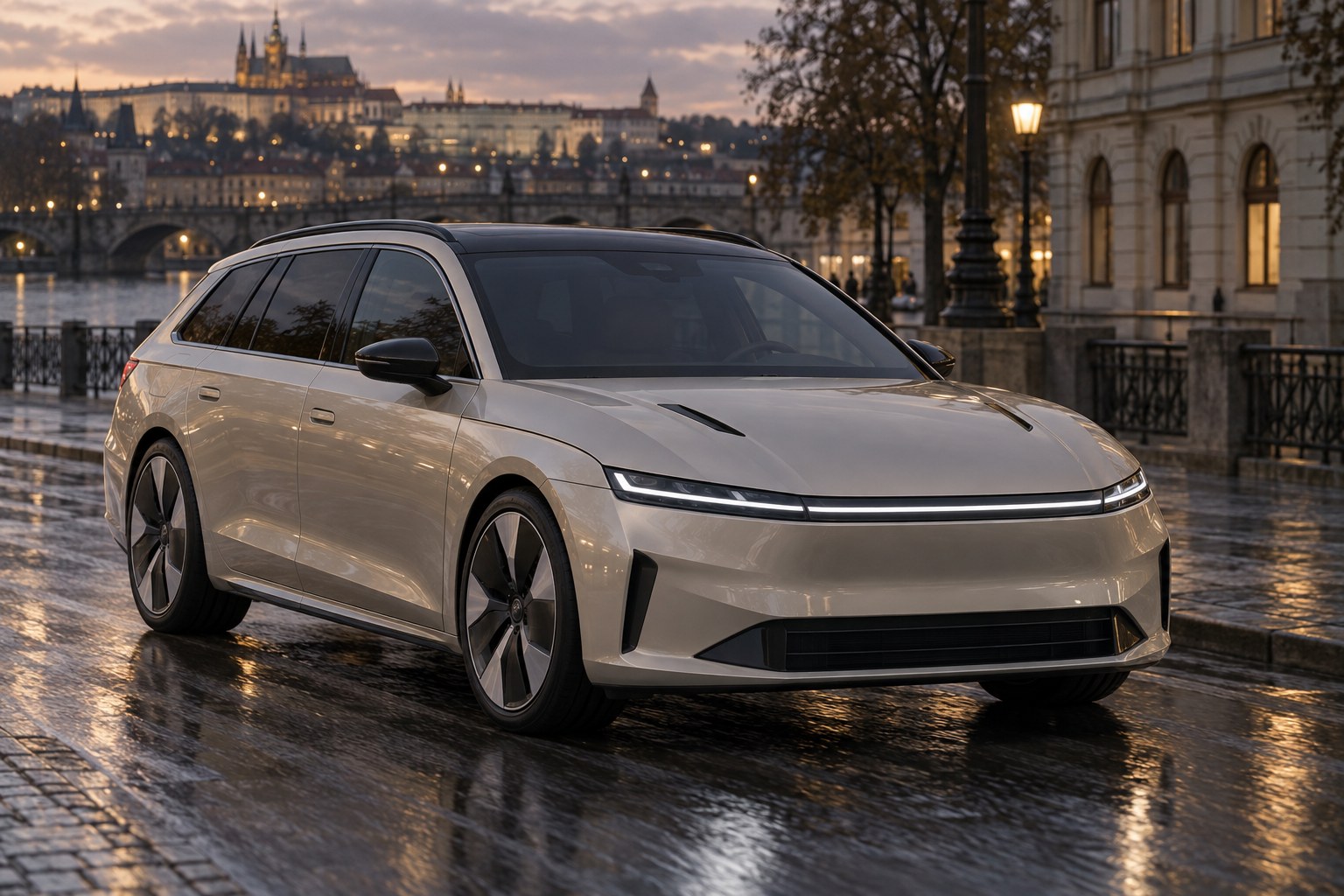
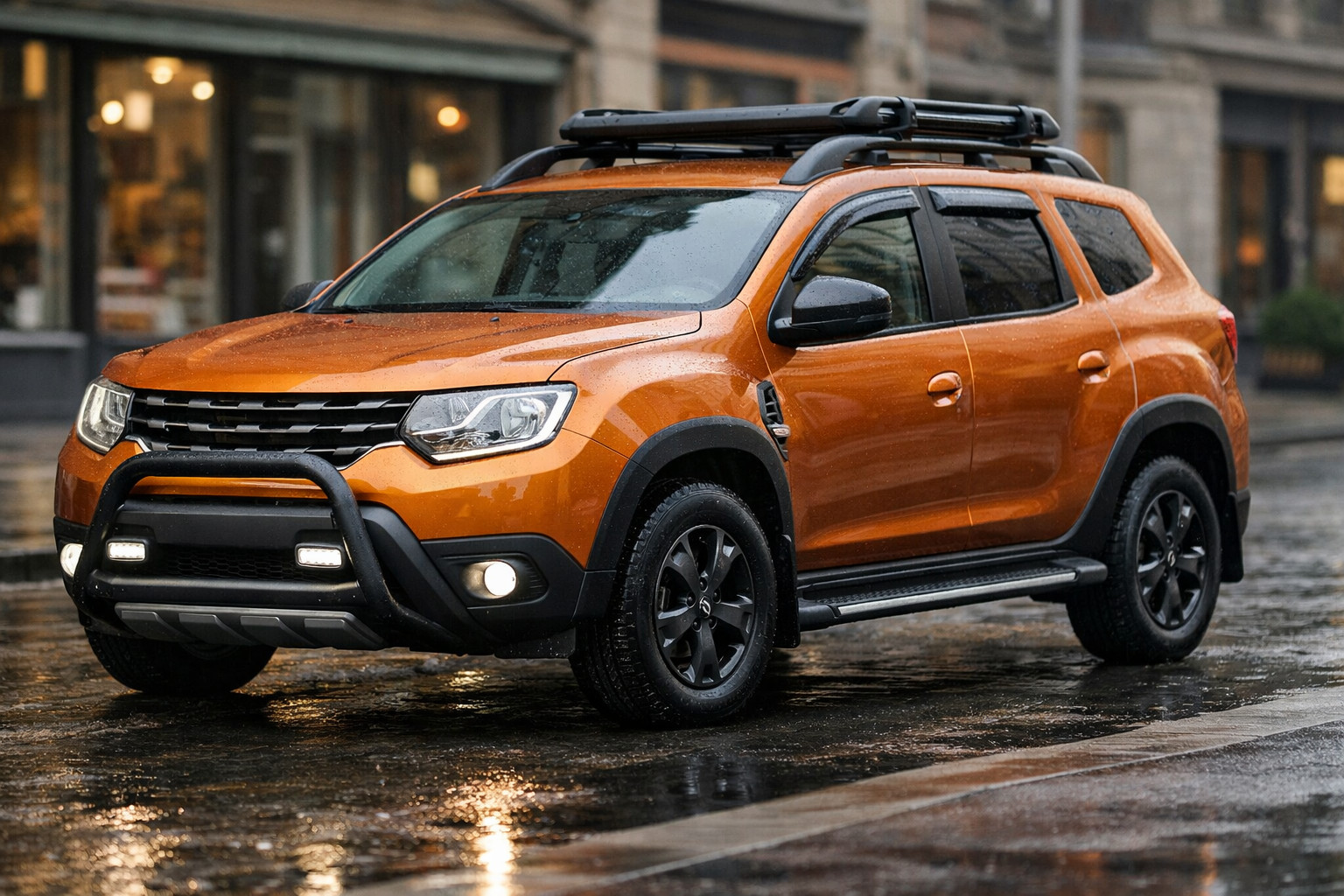
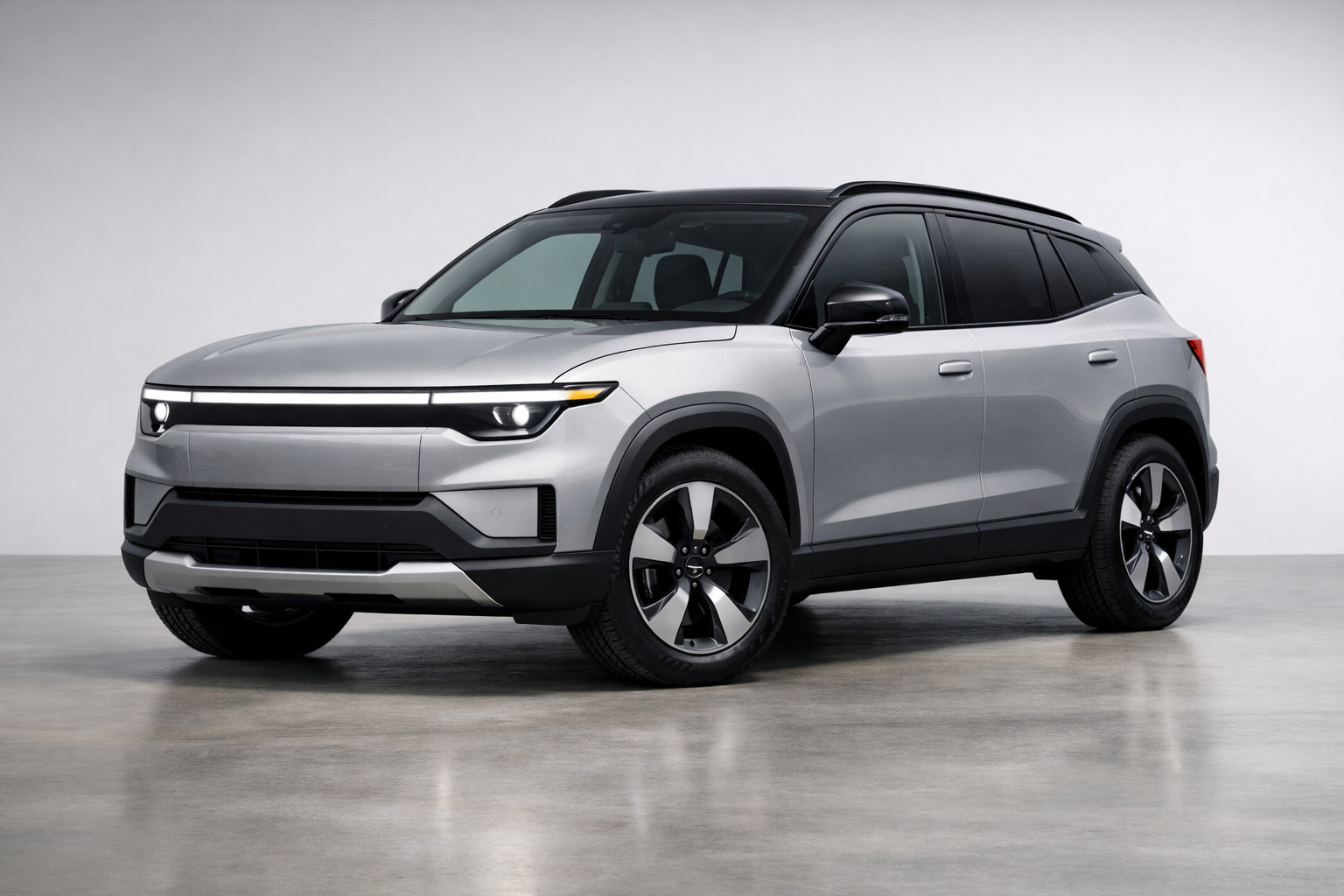
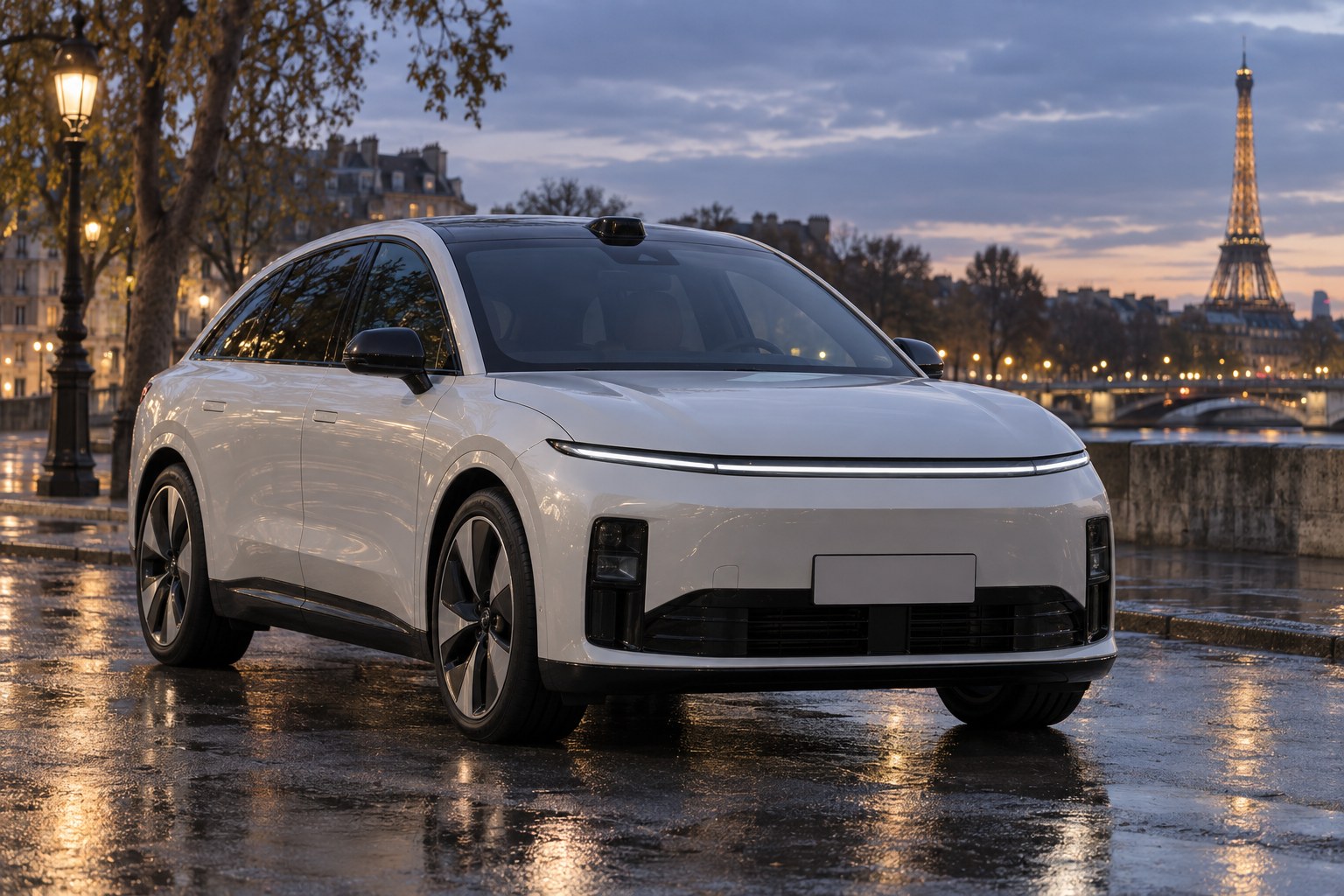
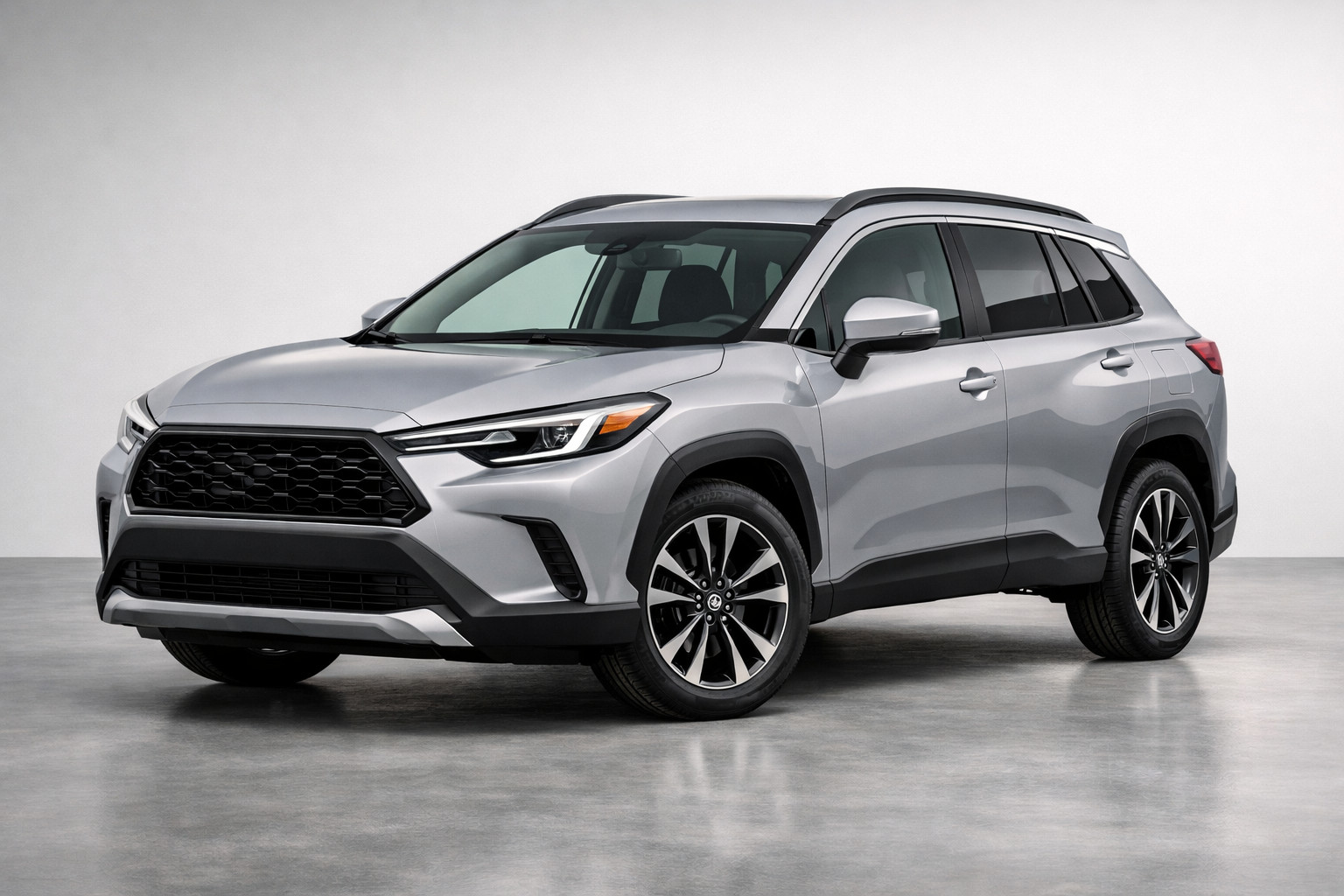
Images in the article are illustrations created from the official description of the models, not factory photos.
We deliver via Nova Poshta across Ukraine.
Shipping to EU
Wholesale and retail
Own warehouse
Опис продукту
Подарунки не надаються при оформленні покупки у кредит під 0,01% або при покупці частинами.